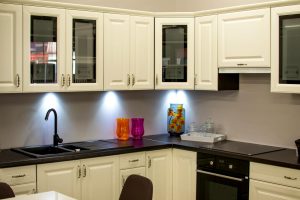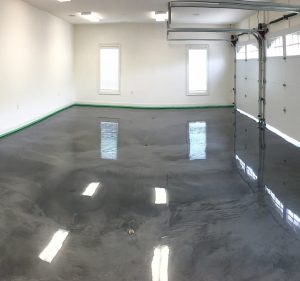
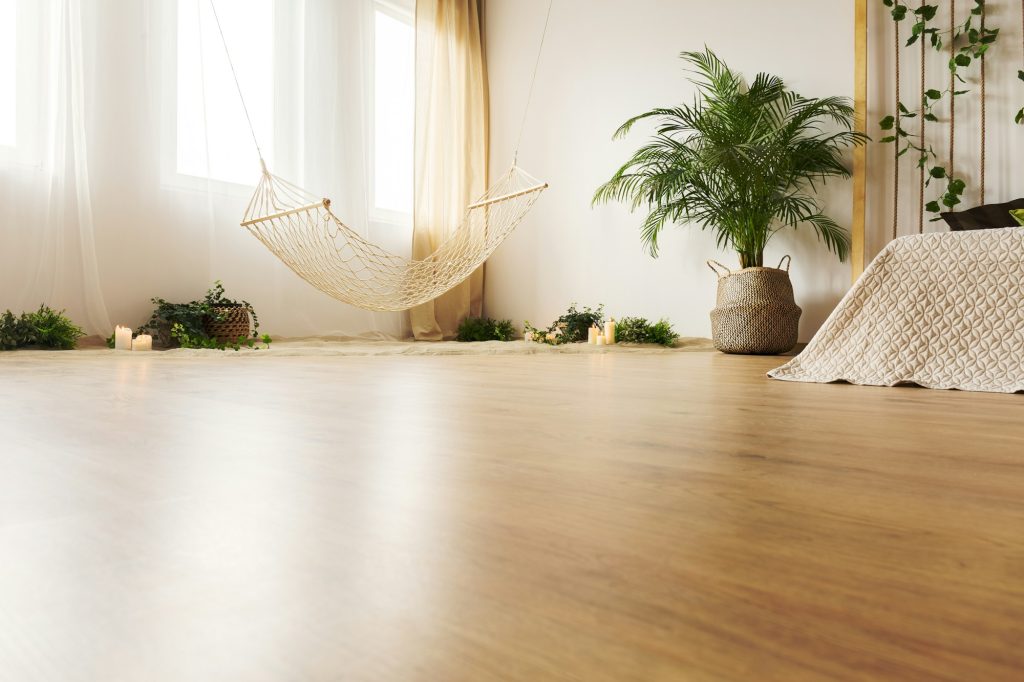
Choosing the best flooring for your home requires evaluating key factors such as durability, budget, and design preferences. Consider the location of your home, as moisture-prone areas necessitate water-resistant options like luxury vinyl or ceramic tile. High-traffic spaces demand durable materials like hardwood or tile, while softer flooring like carpet is ideal for bedrooms. Additionally, current trends favor eco-friendly and sustainable materials for a modern aesthetic. Balancing functionality and style is essential. By considering these elements, you can make an informed decision tailored to your needs and tastes, leading you to explore further insights on ideal flooring choices.
Key Takeaways
- Assess the location and function of each room to determine suitable flooring materials based on durability and moisture resistance.
- Establish a budget that includes both initial costs and long-term maintenance expenses for different flooring options.
- Consider aesthetic preferences and how flooring choices can enhance the overall design and feel of your home.
- Evaluate installation options, choosing between DIY-friendly materials or professional installation based on your skill level and flooring type.
- Stay informed about current design trends and eco-friendly options to create a stylish and sustainable living space.
Key Factors When Selecting Flooring
When selecting flooring for your home, several key factors must be considered to secure the best fit for your lifestyle and aesthetic preferences. Understanding the nuances of various home flooring options is essential for informed decision-making during your floor replacement journey.
First, assess the location of the flooring. High-traffic areas demand durable materials, while moisture-prone spaces like kitchens and bathrooms require waterproof options such as tile or luxury vinyl. Bedrooms often benefit from the comfort of plush carpeting, enhancing relaxation.
Additionally, consider noise reduction; soft surfaces like carpet absorb sound, creating a more tranquil environment.
Next, evaluate your budget. While some materials like carpet and vinyl offer lower initial costs, others such as hardwood and natural stone require a more significant investment.
However, consider the longevity and maintenance costs associated with each material to make a sound financial decision.
Lastly, think about the installation process. Some flooring options, such as laminate and luxury vinyl, allow for DIY installation, giving you the freedom to express your creativity during home renovation projects.
In contrast, hardwood and tile typically necessitate professional installation, which may impact your overall budget and timeline.
Utilizing this flooring guide will empower you to navigate your choices confidently, guaranteeing that your selected flooring complements your home’s aesthetic while meeting practical needs.
Pros and Cons of the Top Flooring Choices
Selecting the right flooring involves understanding the pros and cons of various materials to guarantee they align with your lifestyle and design preferences. Each flooring option offers distinct advantages and drawbacks that can notably impact your home environment.
Hardwood floors exude timeless charm and can enhance property value. However, they come with a hefty price tag, require regular maintenance, and are sensitive to moisture.
Alternatively, laminate flooring is budget-friendly and mimics the appearance of wood or stone, making it ideal for families with kids and pets. Its durability is counterbalanced by susceptibility to moisture damage, necessitating timely replacement every 25 to 30 years.
Luxury vinyl offers a modern aesthetic with waterproof and durable characteristics at a lower installation cost, making it a popular choice. Yet, it may not carry the same intrinsic value as hardwood and can be prone to dents over time.
Ceramic and porcelain tile stand out for their moisture resistance and design versatility, perfect for kitchens and bathrooms. Still, they can be cold underfoot, may crack, and usually require professional installation.
Carpet presents a soft, sound-absorbing surface ideal for bedrooms and living spaces but demands regular cleaning and is unsuitable for wet areas.
Each flooring type presents unique benefits and challenges, emphasizing the importance of evaluating your specific needs before making a decision. Balancing aesthetics, functionality, and practicality will empower you to choose the best flooring for your home.
Consider The Location of Your Home
How does the location of your home influence your flooring choices? The geographical context of your residence plays a pivotal role in determining the most suitable flooring materials. For instance, homes situated in humid areas necessitate moisture-resistant options, such as luxury vinyl or tile, to mitigate the risks associated with dampness.
Conversely, properties in dry climates may afford more flexibility, allowing for the installation of hardwood or laminate flooring without significant concern for moisture damage.
Additionally, the type of neighborhood can impact aesthetic preferences and practical requirements. Family-friendly communities may prioritize durable and easy-to-clean options like laminate or tile, particularly in high-traffic areas.
In contrast, homes in more upscale neighborhoods might benefit from the classic appeal of hardwood, which can elevate property values while creating a warm ambiance.
The location of your lot—whether near bustling commercial areas or serene natural landscapes—also influences your choices. For homes near busy roads, sound-absorbing materials such as carpet or cork may be advantageous to reduce noise pollution.
Alternatively, properties with picturesque views may encourage the use of elegant flooring that complements their surroundings, enhancing both beauty and resale potential.
Lastly, consider the convenience of access to amenities, as homes near shopping and recreational facilities may lead to more foot traffic, warranting robust flooring solutions.
Ultimately, understanding the nuances of your location guarantees that your flooring selection aligns with both lifestyle needs and long-term satisfaction.
Consider The Function of Each Room
Understanding the function of each room is essential for making informed flooring choices that enhance both practicality and aesthetics. Each space in your home serves a specific purpose, which should heavily influence your flooring selection.
For instance, high-traffic areas such as entryways and living rooms benefit from durable materials like hardwood or tile, which can withstand wear while maintaining their beauty. Conversely, softer flooring options like carpet are ideal for bedrooms and family rooms, providing comfort and warmth underfoot.
However, it’s vital to avoid carpet in moisture-prone areas such as bathrooms and basements, where water-resistant materials like luxury vinyl or ceramic tile are more suitable.
In kitchens, the flooring must be both stylish and functional, prioritizing moisture resistance and ease of cleaning. Luxury vinyl and tile are excellent choices, as they can mimic the appearance of natural materials while offering durability against spills and stains.
Additionally, consider noise reduction in spaces like home offices or children’s playrooms. Carpeting or cork can absorb sound, creating a quieter environment.
Ultimately, choosing the right flooring means reflecting on how each room will be used and the activities that will take place within them. By aligning your flooring selections with the functional needs of each space, you can create a harmonious balance of beauty and practicality throughout your home.
Current Flooring Design Trends
The choice of flooring not only impacts the functionality of each room but is also influenced by current design trends that reflect evolving aesthetic preferences. As we enter 2024, homeowners are embracing vibrant colors, natural materials, and sustainable options that evoke joy and sophistication in living spaces.
| Trend | Description |
|---|---|
| Dopamine Decor | Focus on bold patterns and vibrant colors that inject personality into spaces. |
| Natural Materials | Timeless appeal of hardwood and polished stone, emphasizing durability and authenticity. |
| Warm Tile Tones | Cream and beige hues create inviting atmospheres, enhancing comfort throughout the home. |
| Sustainable Options | Eco-friendly materials like bamboo and reclaimed wood align with growing environmental consciousness. |
The shift away from drab greys and artificial woods towards warm hues and genuine materials is palpable. Designers are favoring elegant stone tiles and natural wood tones, as they not only enhance the aesthetic but also provide a sense of warmth and welcoming.
Furthermore, the trend towards exciting and dynamic soft flooring choices, such as luxurious carpets with innovative designs, reflects a desire for comfort and individuality. Homeowners are encouraged to express their unique styles while considering the balance between aesthetics and functionality. As you explore flooring options, remember that your choices can create spaces that resonate with freedom, joy, and enduring beauty.
Frequently Asked Questions
How Do I Maintain Different Types of Flooring?
Maintaining various flooring types involves regular cleaning, appropriate moisture control, and using suitable products. Hardwood requires periodic refinishing, while carpets need vacuuming and professional cleaning. Tile benefits from sealing, and vinyl should be wiped down to preserve its appearance.
What Are the Best Flooring Options for Pets?
For pet-friendly flooring, consider options like luxury vinyl, laminate, or tile. These materials are durable, moisture-resistant, and easy to clean, making them ideal for homes with active pets and minimizing damage from accidents.
How Long Does Each Flooring Type Typically Last?
The lifespan of flooring varies: hardwood lasts 20-100 years, laminate 25-30 years, luxury vinyl 10-20 years, tile 50+ years, and carpet 5-15 years. Selecting the right material is essential for durability and longevity.
Can I Install New Flooring Over Existing Flooring?
Yes, you can install new flooring over existing flooring, provided the underlying surface is level, stable, and adheres to the new flooring’s requirements. This method can save time and reduce waste during renovations.
What Tools Do I Need for DIY Flooring Installation?
For DIY flooring installation, essential tools include a measuring tape, utility knife, straight edge, hammer, pry bar, flooring nailer, and spacers. Additional tools may be required depending on the specific flooring material and installation method chosen.
![We show you the latest Kitchen Design Trends for Homes [2025 Updated]](https://siennyservices.com/wp-content/uploads/2025/03/adgbdtsbzg-225x300.jpg)