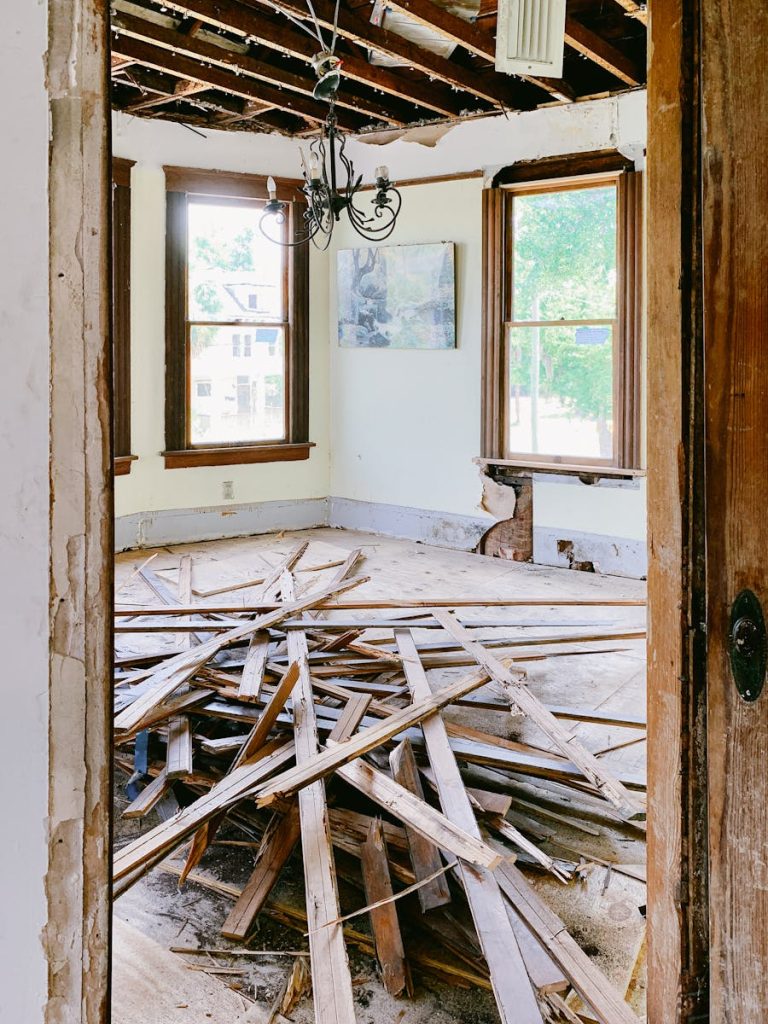
When it comes to wood floor repair, knowing what to look for is key. You might notice scratches, gaps, or even warping that can affect your floor’s appearance and longevity. Understanding how to tackle these common problems can save you time and money. But not all issues are easy fixes. Let’s investigate with Sienny Services about the signs of trouble and what you can do about them.
Key Takeaways
- Gaps between wood boards often indicate moisture issues and should be addressed during humid months to prevent further damage.
- Cupping, crowning, or buckling are critical signs of potential water damage that require immediate professional evaluation.
- Light scratches can be repaired using mineral spirits and fine steel wool, while deeper scratches may need sanding and wood filler.
- Dents can often be fixed with heat and moisture; however, persistent dents may require epoxy or board replacement.
- Regular maintenance, including sealing and humidity control, is essential for preventing future damage to hard wood floor repair.
Identifying Common Wood Floor Issues in Your Home
Wood floors can bring warmth and beauty to your home, but they’re not immune to issues that can arise over time. You might notice gaps between boards or signs of cupping, crowning, or even buckling, indicating moisture problems.
Early detection is key, as these issues can worsen if left unaddressed. For minor scratches, consider wood floor scratch repair techniques or using a wood floor gap filler to keep your floors looking pristine.
If you encounter warping, investigate hardwood floor warping solutions that can help restore your floors’ integrity. While DIY wood floor repairs can be effective for small issues, don’t hesitate to seek professional wood floor restoration for more significant damage.
Regular inspections and maintenance can help you catch problems early, ensuring your wood floors remain a beautiful feature of your home for years to come.
How to Fix Scratches and Dents in Wood Floors
While scratches and dents can be frustrating, fixing them doesn’t have to be a daunting task. For light scratches, grab some mineral spirits and fine steel wool. Gently rub with the grain to avoid further damage. You can also use repair kits with touch-up markers that match your floor’s stain.
For deeper scratches, lightweight sandpaper will do the trick. Use wood filler for color-matching, and don’t worry about overfilling; just sand it down afterward. Remember to vacuum after sanding to keep dust out of the repair.
Dents can often be fixed with heat and moisture. Use a damp towel and a hot iron, alternating between the two to raise the wood. If the dent remains, consider filling it with epoxy or replacing the board.
Dealing with Gaps and Warping in Wood Floors
As humidity levels fluctuate throughout the year, you may notice gaps and warping in your wood floors. These issues often arise from wood shrinkage, improper installation, or water damage.
While small gaps mightn’t bother you during humid seasons, larger ones—like those where a nickel can slide in—indicate a need for correction.
To fill gaps, consider using natural-fiber rope or wood putty. Clean out the gaps first, then apply your chosen filler, ensuring it matches your floor’s color.
It’s best to tackle this repair during humid months to prevent buckling later. After filling, allow the putty to dry completely before walking on it, and monitor for any shrinkage.
Finally, apply a protective coating like varnish or polyurethane to blend the repair and strengthen the surface. Taking these steps will help maintain the beauty and integrity of your wood floors.
When to Call a Professional for Wood Floor Repair
Addressing gaps and warping in wood floors can often be handled as a DIY project, but certain situations call for professional intervention.
If you encounter extensive damage, such as deep scratches or significant water damage, it’s wise to consult a professional. They’ve the specialized tools and knowledge needed for proper repairs, which can prevent further issues down the line.
Additionally, if your floors are cupping due to moisture or installation problems, it’s best to seek expert help.
Squeaking floors may indicate structural issues that require a professional’s assessment.
Before diving into repairs, consider your confidence and experience with hardwood flooring.
While minor issues can often be tackled independently, complex problems often benefit from professional skills.
Balancing your DIY efforts with professional support can guarantee that your wood floors remain beautiful and functional for years to come.
Preventing Future Damage to Your Wood Floors
To keep your wood floors looking their best, it’s essential to take proactive steps that prevent future damage.
Start by laying down rugs and mats at entrances to catch moisture and placing mats under sinks and pet bowls to absorb spills. Regularly inspect your home for leaks in pipes to avoid flooding.
Additionally, maintaining your hardwood through proper sealing and regular cleaning can significantly prolong its life.
Keep humidity levels in check by ensuring proper ventilation, especially in humid areas of your home.
If you notice any signs of water damage, such as buckling or discoloration, address them immediately by removing water and drying the area thoroughly.
Using a water vacuum can help with quick clean-ups.
Frequently Asked Questions
Can I Use Area Rugs to Protect My Wood Floors?
Yes, you can use area rugs to protect your wood floors. They’ll help shield against scratches and wear while adding style. Just make sure to choose non-slip options to keep them securely in place.
How Often Should I Clean My Wood Floors?
You should clean your wood floors every week to maintain their shine and integrity. Use a soft broom or vacuum, and damp mop occasionally. Avoid harsh chemicals, and your floors will stay beautiful for years.
What Should I Do if My Wood Floors Squeak?
If your wood floors squeak, try sprinkling talcum powder between the boards to reduce friction. You can also tighten loose nails or screws. If that doesn’t work, consider consulting a professional for a more thorough inspection.
Are There Eco-Friendly Products for Wood Floor Maintenance?
Yes, there are eco-friendly products for wood floor services and maintenance. Look for natural oils, plant-based cleaners, and biodegradable finishes. These options’ll keep your floors looking great while also being kind to the environment.
How Does Humidity Affect Wood Flooring?
Humidity affects wood flooring by causing it to expand or contract. When the air’s moisture levels fluctuate, you might notice gaps or cupping. Maintaining consistent humidity levels can help preserve your flooring’s beauty and durability.
Conclusion
By staying vigilant and addressing wood floor issues promptly, you can preserve the beauty and durability of your hardwood floors. Whether you’re fixing scratches, managing gaps, or preventing moisture damage, taking proactive steps makes all the difference. Remember, if the damage feels overwhelming, don’t hesitate to Call Us for your need. With regular maintenance and care, your wood floors can remain a stunning feature of your home for years to come.
![We show you the latest Kitchen Design Trends for Homes [2025 Updated]](https://siennyservices.com/wp-content/uploads/2025/03/adgbdtsbzg-225x300.jpg)